
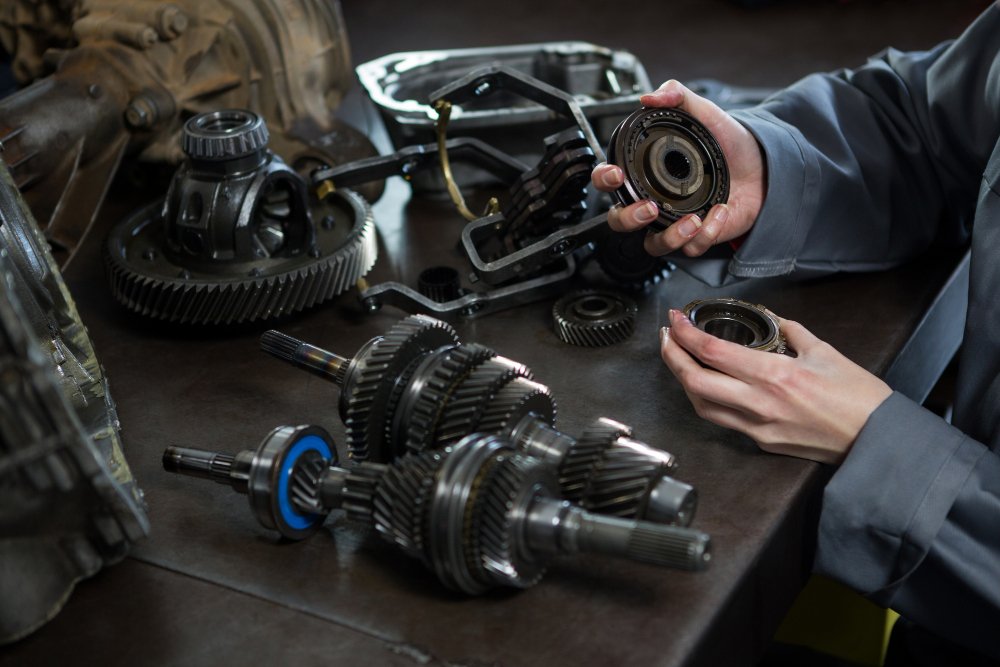
At The Neighbor’s Kid Auto Repair (TNKAR), we don’t just change your oil — we proactively maintain your engine from valve cover to timing cover. Our two‐tiered service packages help prevent the costly consequences of sludge, leaks and premature gasket failure:
1. What Is Engine Minor Maintenance?
Scope & Components
A Minor Maintenance service addresses all the wear items and breathers that help your engine breathe and run cleanly:
- Valve cover gaskets & seals
- PCV valve(s) & oil traps
- Intake and crankcase breathers
- Vacuum and breather hoses
- Spark plugs, ignition coil‐packs & wire sets
Why It Matters
- Protects emissions components: Fresh seals and a functioning PCV system keep O₂ sensors and catalytic converters from fouling.
- Maintains crankcase balance: New breathers and hoses prevent excess pressure, reducing leaks and blow-by.
- Prevents sludge buildup: Replacing oil traps and PCV parts every 4–5 years (36K–50K miles) stops varnish and carbon deposits before they starve oil galleries.
Recommended Interval
- Every 36,000–50,000 miles or 4–5 years, whichever comes first.
- Engines with a history of leaks or high blow-by may need service closer to 30,000 miles.
2. What Is Engine Major Maintenance?
Scope & Components
Major Maintenance goes deeper — stripping the timing cover or oil galley to replace long-life components before they strand you on the side of the road:
- Timing cover gasket replacement
- Ford-style internal water pumps behind the timing cover
- Timing chains, belts (including “wet belts” inside oil passages), tensioners & guides
Why It Matters
- Silicone gasket failures: Many modern engines (Mazda CX-5, Ford EcoBoost, etc.) use silicone timing-cover gaskets that harden and crack in just 3–7 years. Once they leak, they not only let oil out but air and debris in — accelerating engine wear.
- Hidden wear items: Water pumps and tensioners behind the cover can seize or fracture, leading to overheating or catastrophic chain failure.
- Geometric cost increase: A $1,000 Major Maintenance today prevents a $5,000+ rebuild tomorrow once debris and oil starvation team up to destroy bearings, camshafts or turbos.
Recommended Interval
- 3–7 years or 60,000–80,000 miles, depending on manufacturer guidelines and oil-leak history.
- Inspect early on high-mileage or early-leaking engines (we’ve seen Mazda CX-5 silicone gaskets fail under 6,000 miles and one year of service).
3. Why You Can’t Skip These Services
1. Compound problems
- Minor issues (leaky valve covers, clogged PCV) accelerate sludge in galleries and filters.
- Major failures (wet-belt breakdown, water-pump leaks) can lock up an engine without warning.
2. Cross-system impacts
- A leaking timing cover gasket defeats any oil-flush or viscosity upgrade — the moment you add cleaner or heavier oil, it simply seeps out and draws in grit.
- Sludge from missed Minors can block the tensioner or oil-passage for your wet belt, turning a routine belt job into a full teardown.
3. Performance & reliability gains
- Fresh gaskets, hoses and breathers restore proper vacuum balance for smoother idle, better fuel economy and restored power.
- New timing-cover components and an internal water pump ensure consistent cooling and prevent chain or belt elongation.
4. How TNKAR Packages Deliver Value
Package – Engine Major Maintenance
Interval – 60K–80K miles / 3–7 yrs
Key Benefits – Replaces hidden wear items, prevents catastrophic failures
Package – Engine Minor Maintenance
Interval – 36K–50K miles / 4–5 yrs
Key Benefits – Stops leaks, protects emissions, prevents sludge buildup
What You Get
- OEM-quality gaskets, seals and hoses
- Thorough cleaning of mating surfaces before reassembly
- Pressure tests on oil and cooling systems to verify leak elimination
- Test drive and post-service inspection to confirm power, quietness and temperature stability